Total population
305,160
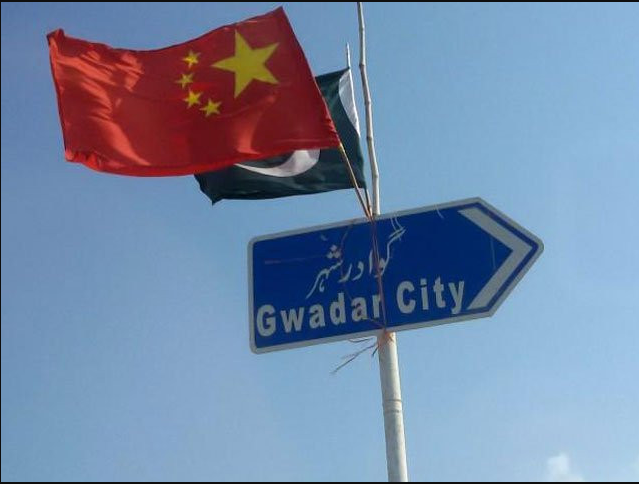
Gwadar District, part of Makran Division, covers 12,637 km² and has a 2023 population of 305,160 — the smallest and most urbanised of the three districts, and home to Gwadar Port, the flagship CPEC asset.
305,160
12,637 km²
5 tehsils · 18 union councils
| Indicator | Value |
|---|---|
| Total population | 305,160 |
| Tehsils | 5 |
| Union councils | 18 |
| Total area | 12,637 km² |
| Literacy | 50.30% |
| Urban / Rural | 52.11% / 47.89% |
| Type | Count |
|---|---|
| Schools | 263 |
| Colleges | 4 |
| Facility type | Count |
|---|---|
| DHQ Hospital | 1 |
| Hospitals (general) | 1 |
| BHU | 23 |
| RHC | 3 |
| Civil Dispensaries | 15 |
| MCH Centres | 3 |
| Station | Count |
|---|---|
| PS Gwadar | 1 |
| PS Pasni | 1 |
| PS Ormara | 1 |
| PS Jiwani | 1 |
| Total | 4 |
| Member | Constituency | Name (Party) |
|---|---|---|
 |
NA-259 Kech-cum-Gwadar (shared with Kech) | Malik Shah Gorgaij (PPP) |
| Member | Constituency | Name (Party) |
|---|---|---|
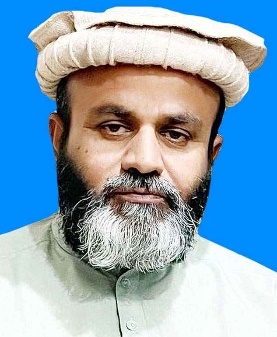 |
PB-24 Gwadar | Hidayat ur Rehman Baloch (Haq Do Tehreek Balochistan) |
Gwadar city, CPEC's showcase, has repeatedly seen mass protests over the absence of reliable piped drinking water, despite a completed deep-sea port.
Port-linked security zoning and the still-inactive Pasni fish harbour have squeezed traditional fishing access without yet delivering the promised alternative jobs.
Ormara and Jiwani tehsils remain thinly linked to Gwadar city and to Karachi by the Makran Coastal Highway.
Specialist and diagnostic capacity at Pak-China Friendship Hospital remains partly unbuilt (one of six planned 50-bed blocks completed as of 2022).
Periodic militancy incidents and security operations affect movement, fishing access and business continuity along the coast.