Sewerage Overload
Makran Division shows weak municipal infrastructure compared to Quetta.
Sewerage Disposal Plants:
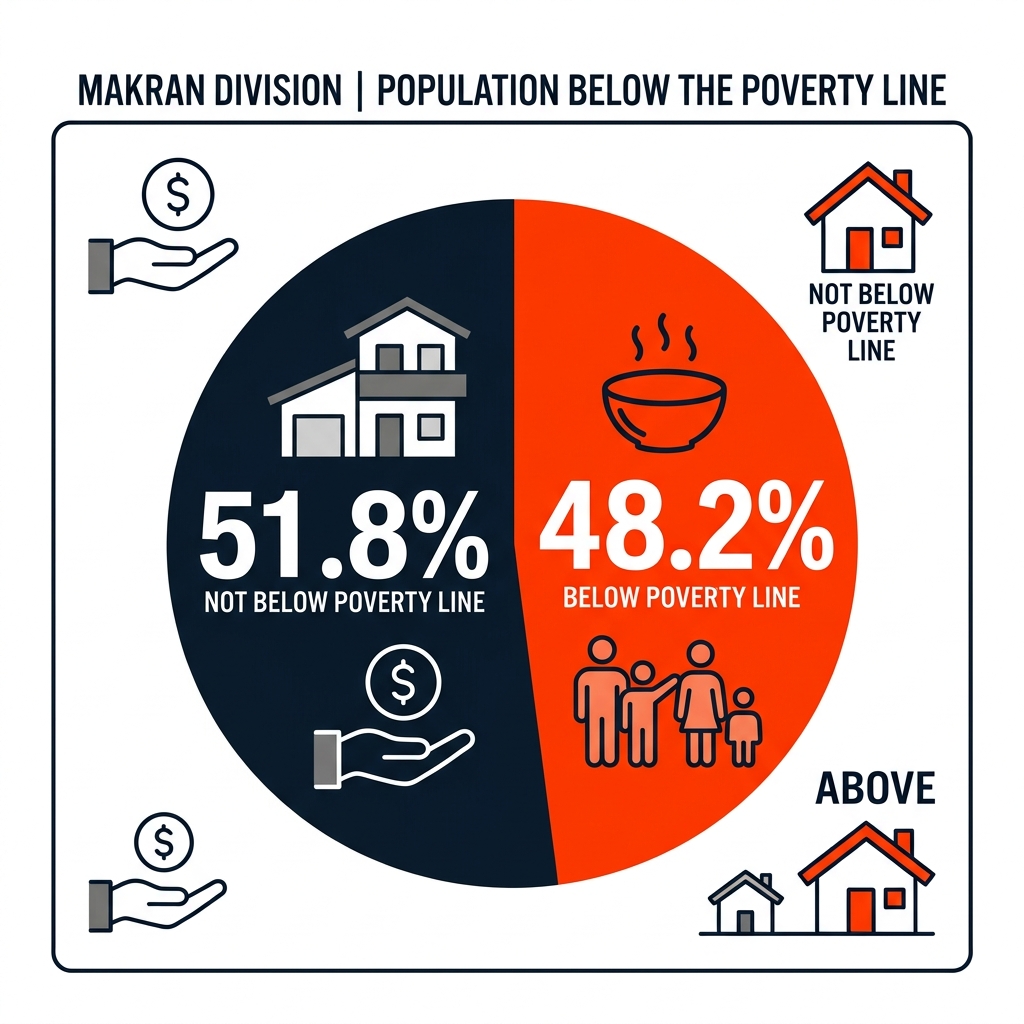
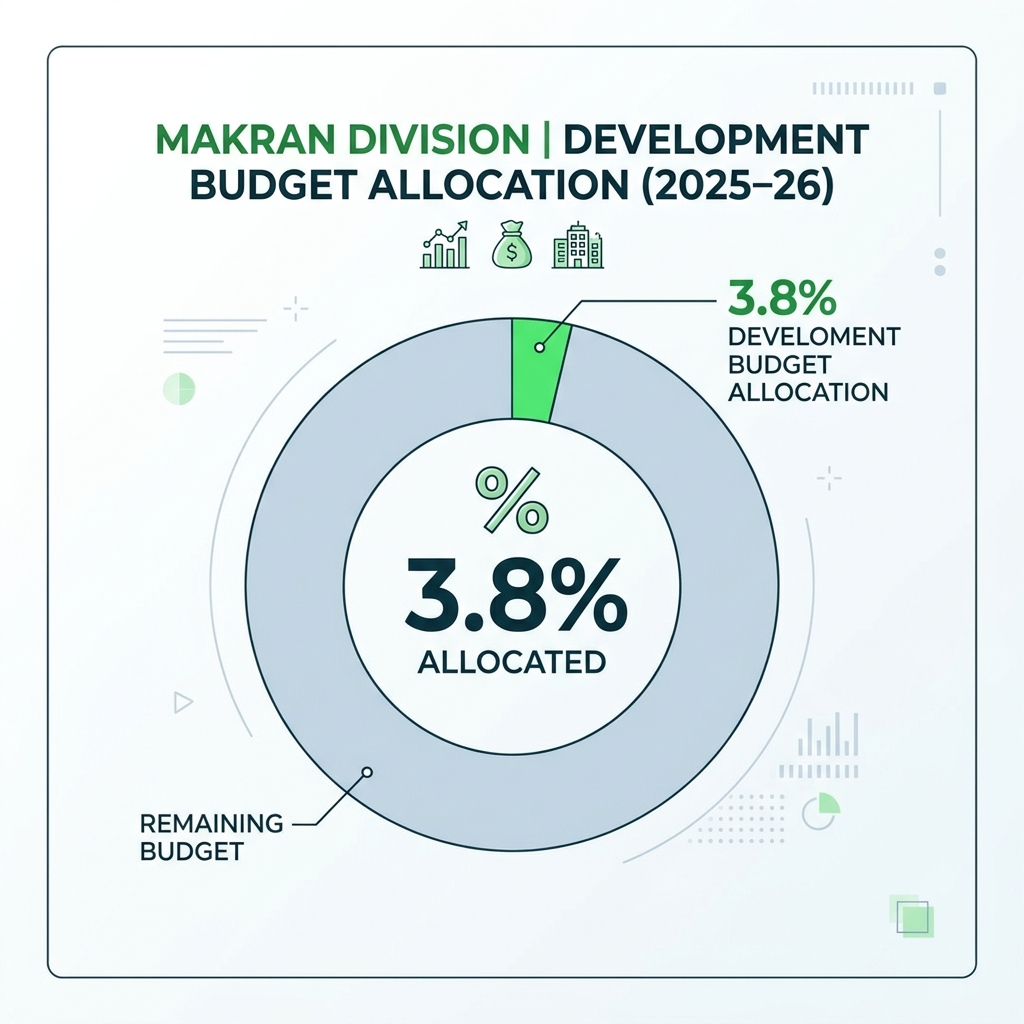
Makran Division, with a population of 1.88 million and an expansive land area of 52,067 km², is larger than 58 countries in population and 72 in land area. Despite its immense geopolitical importance anchored by the deep-sea Gwadar Port and CPEC, it faces severe underdevelopment, infrastructure deficits, and chronic administrative isolation from Quetta. Around 48% of its population lives in poverty, over 38% of children are out of school, and basic amenities like clean drinking water and secondary healthcare remain inaccessible to over 60% of its rural communities. Experts argue that granting Makran provincial status or establishing administrative autonomy could be a major turning point, ensuring direct resource allocation, localized governance, and the transformation of its coastal potential into regional prosperity.
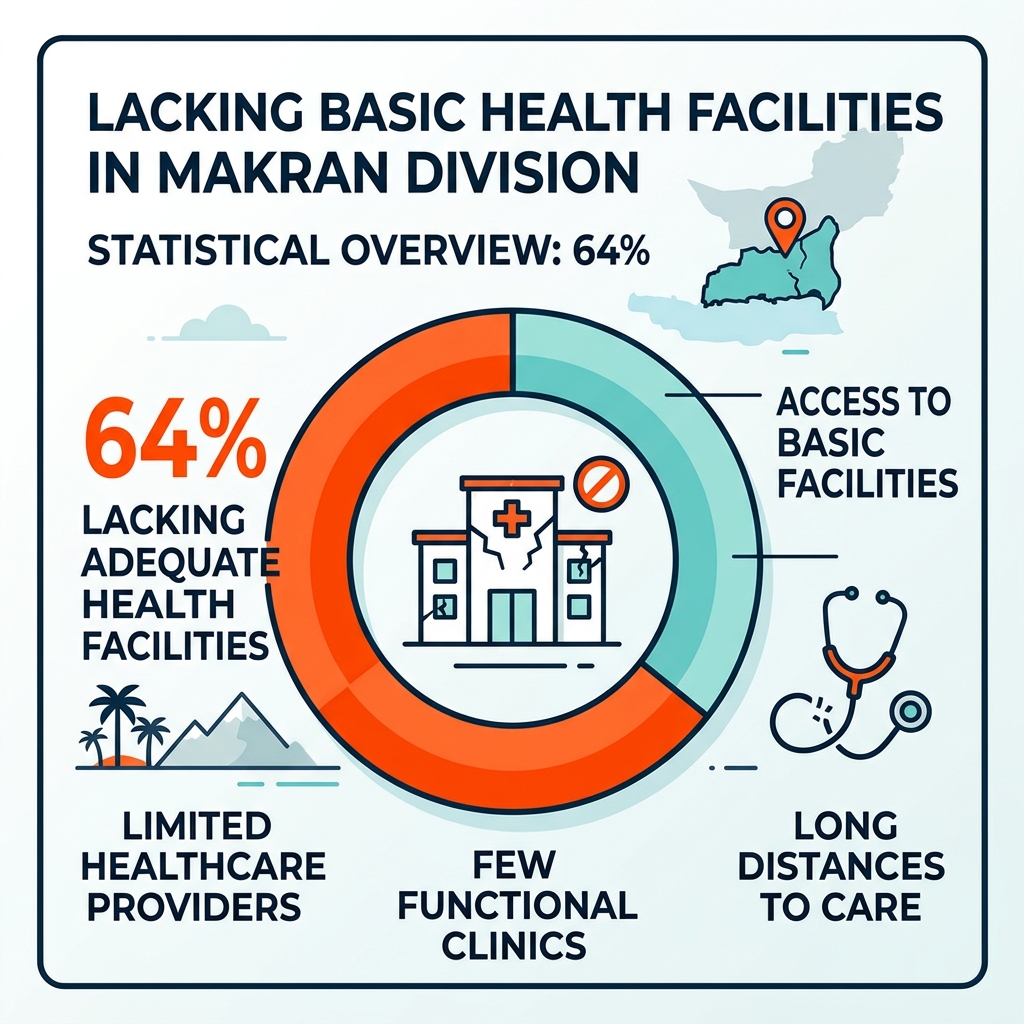
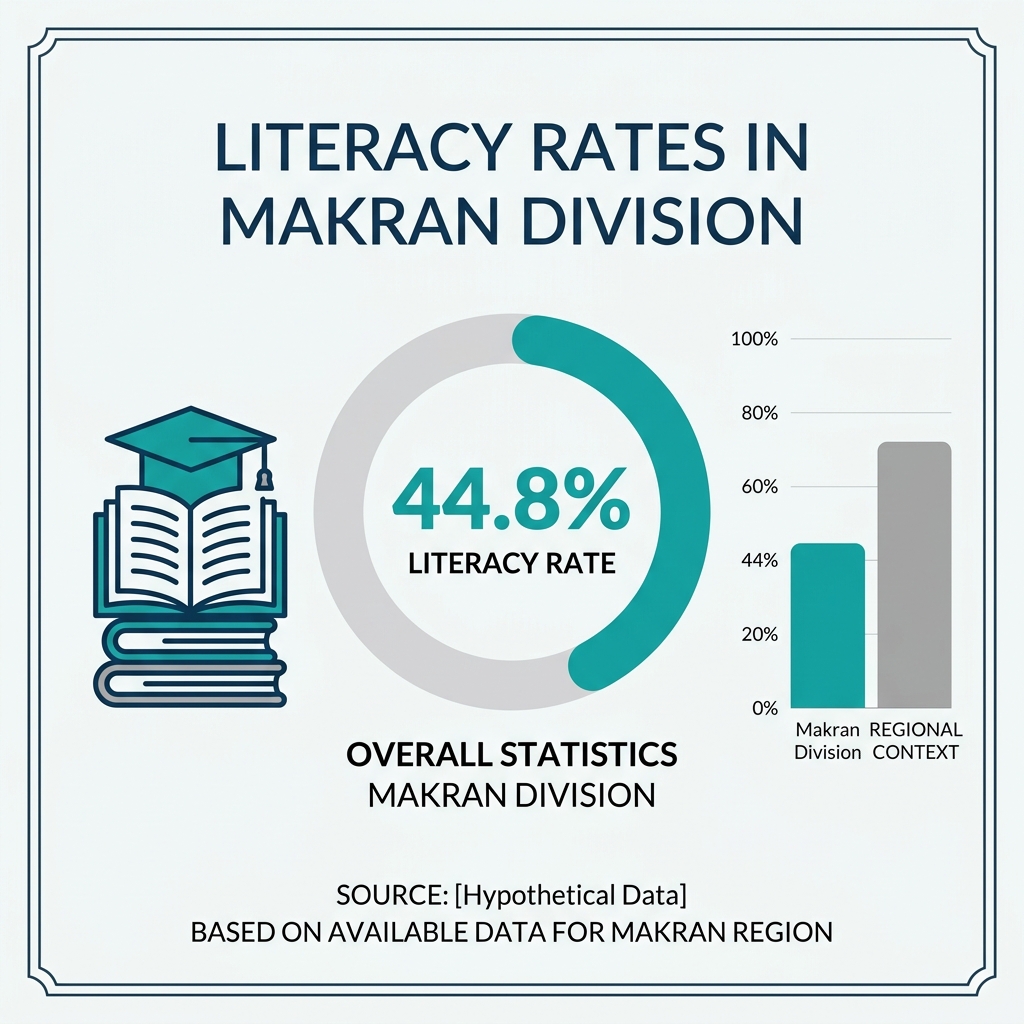
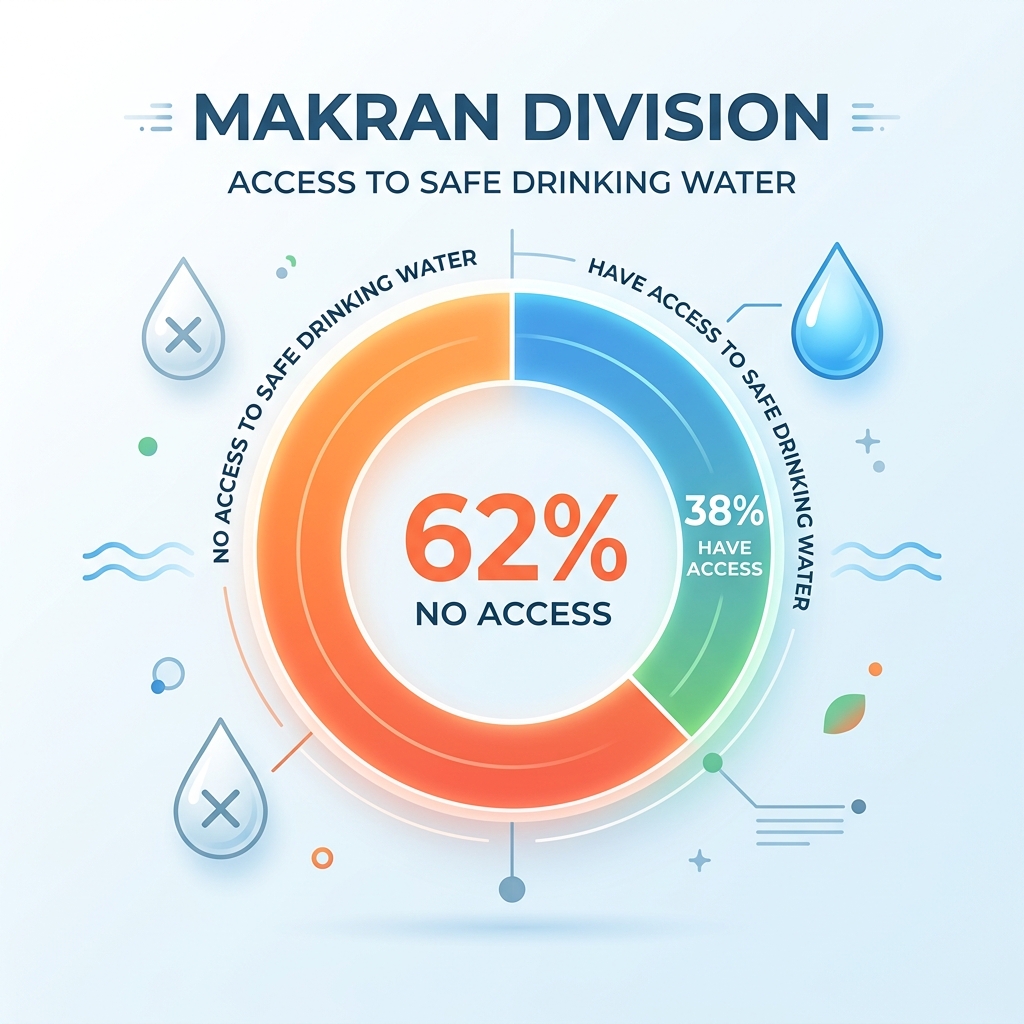
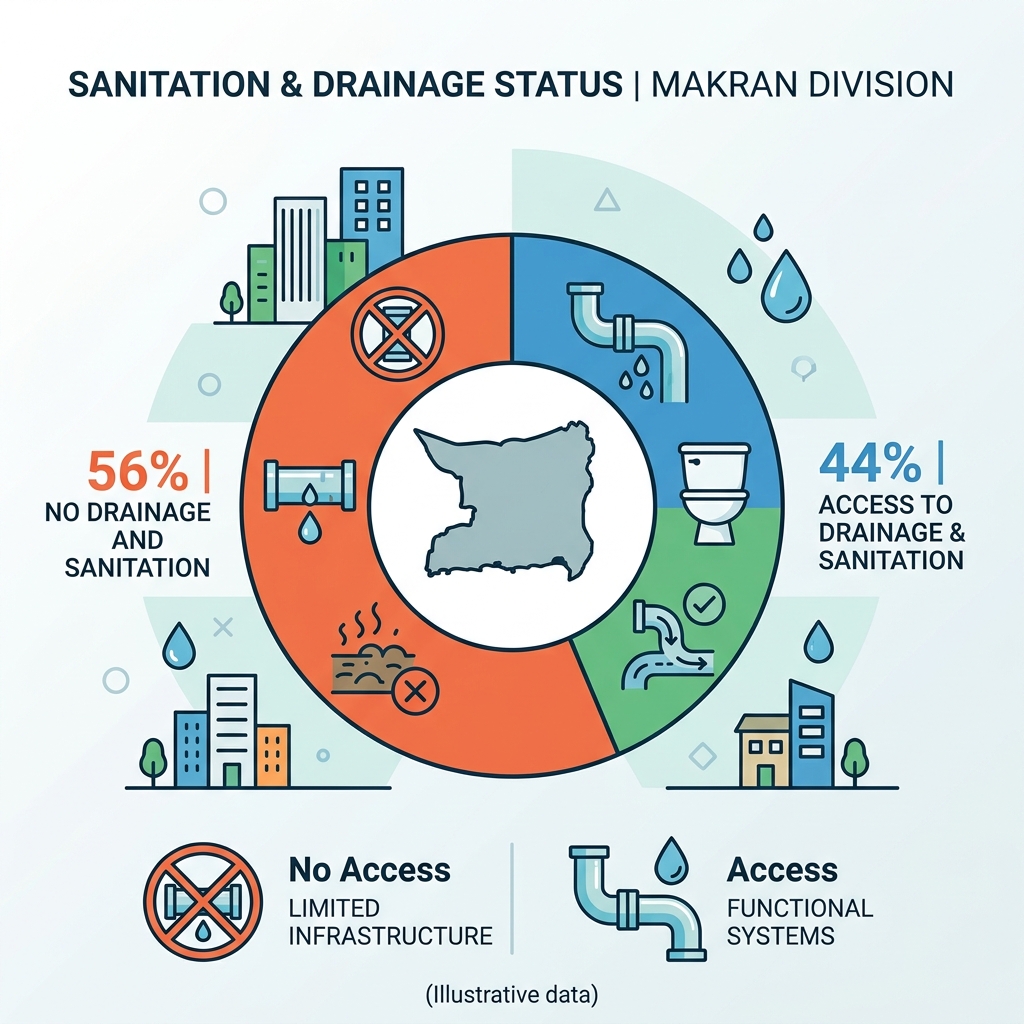
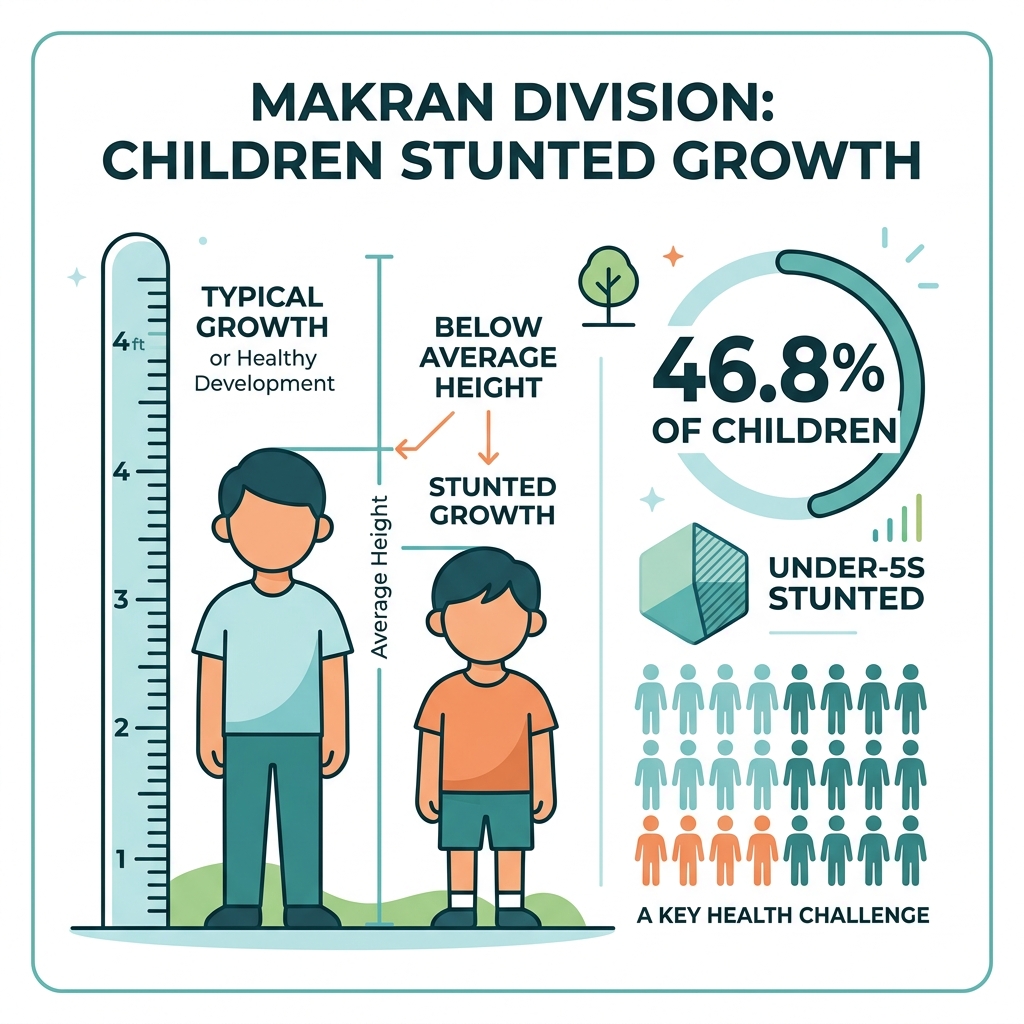
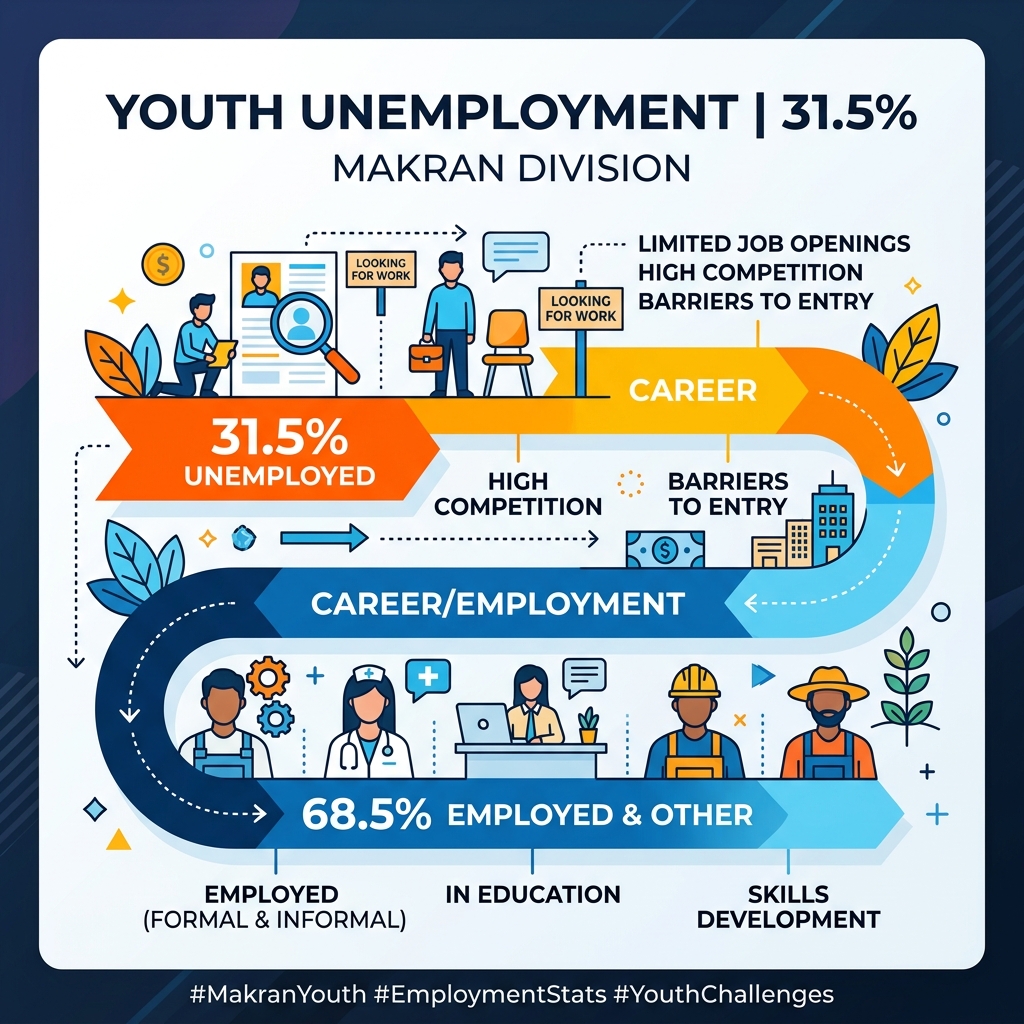
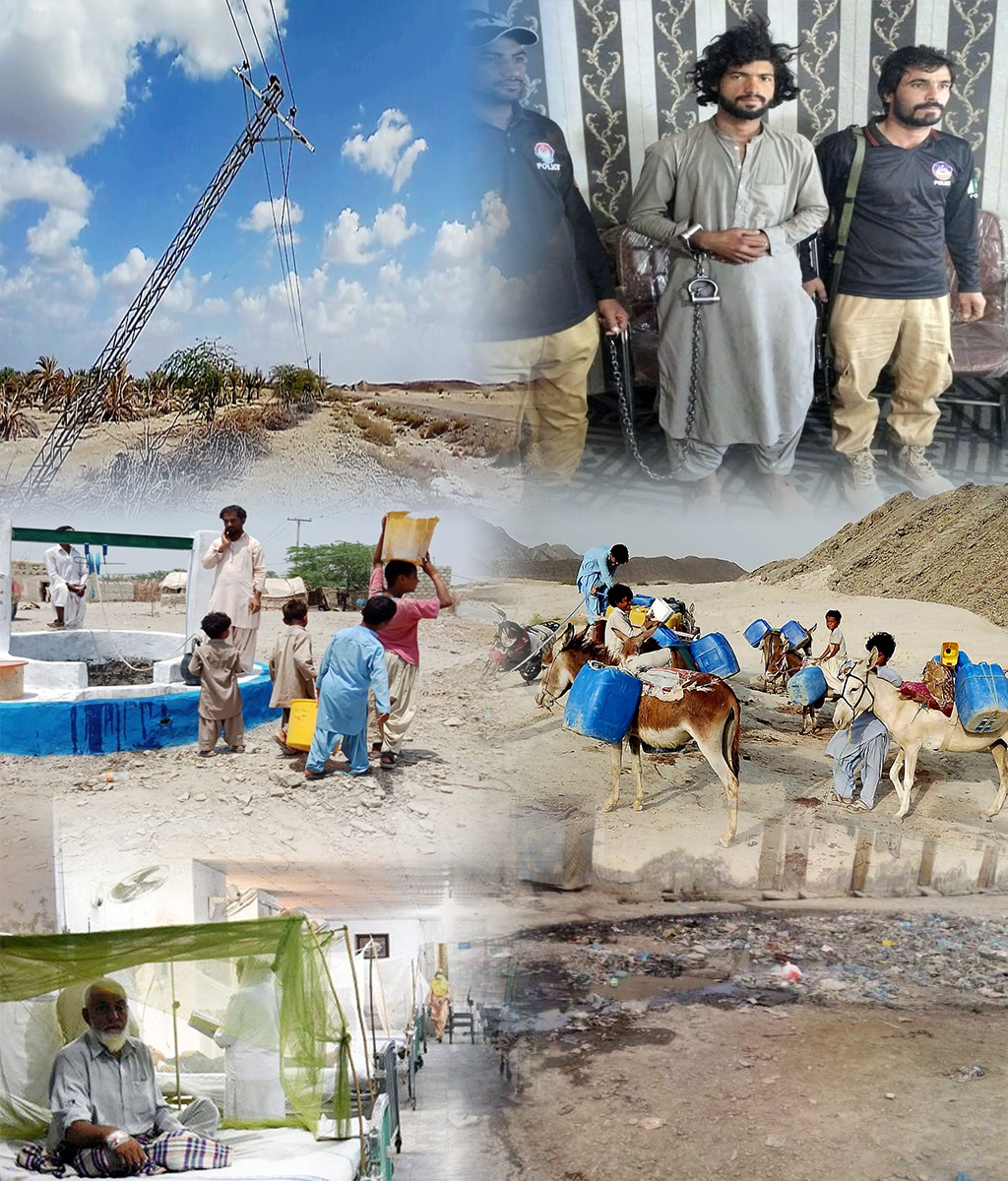
Makran Division is grappling with a web of deep-rooted challenges from fragile healthcare and critical staff shortages to poor sanitation, unsafe drinking water, and limited education and job opportunities, collectively eroding public health and quality of life.
Makran Division shows weak municipal infrastructure compared to Quetta.
Sewerage Disposal Plants:
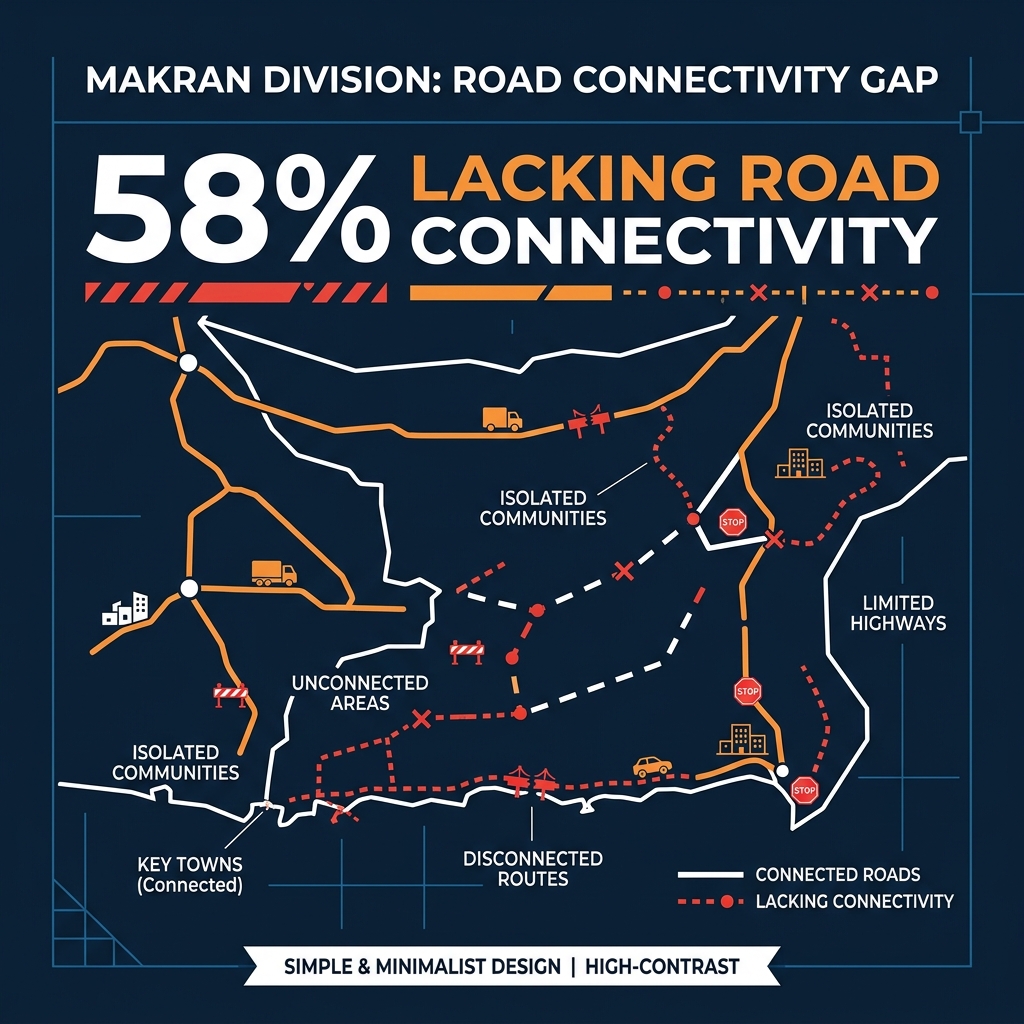
While major CPEC arteries connect main urban centers, Makran’s internal, rural, and farm-to-market road infrastructure remains severely rundown, with links like the Turbat–Bulaida road and incomplete central stretches of the M-8 Motorway.
Makran Division faces a far more severe, chronic drinking water crisis than Quetta Division.
Non-Functional Filtration Plants:
Compared to Quetta Division, Makran Division faces a significantly deeper poverty challenge.
Child malnutrition remains critically high in Makran Division than Quetta.
Stunting
Wasting
The availability of hospital beds is considerably lower in Makran than in provincial urban centers.
Quetta serves as a central hub with more specialized facilities, whereas Makran relies on limited resources.
The child health situation in Makran is far more alarming than in provincial hubs.
Infant Mortality (per 1,000 live births)
Child Mortality (per 1,000 live births)
The health workforce is much weaker in Makran than in Quetta.
Makran faces a far greater challenge of out-of-school children than major urban divisions.
Makran faces a much deeper education gap in net enrolment than provincial urban averages.
Limited school access remains a serious concern across Makran’s rural and coastal belt.
At the High Court of Balochistan, approximately 465 cases pertaining to the Makran Division are pending, constituting 7.28% of the total pendency across the High Court seats and benches.
In the lower courts of the Makran Division, 1,020 criminal cases and 610 civil cases are currently pending.
Consequently, the total number of pending cases in the lower courts of the Makran Division amounts to 1,630.
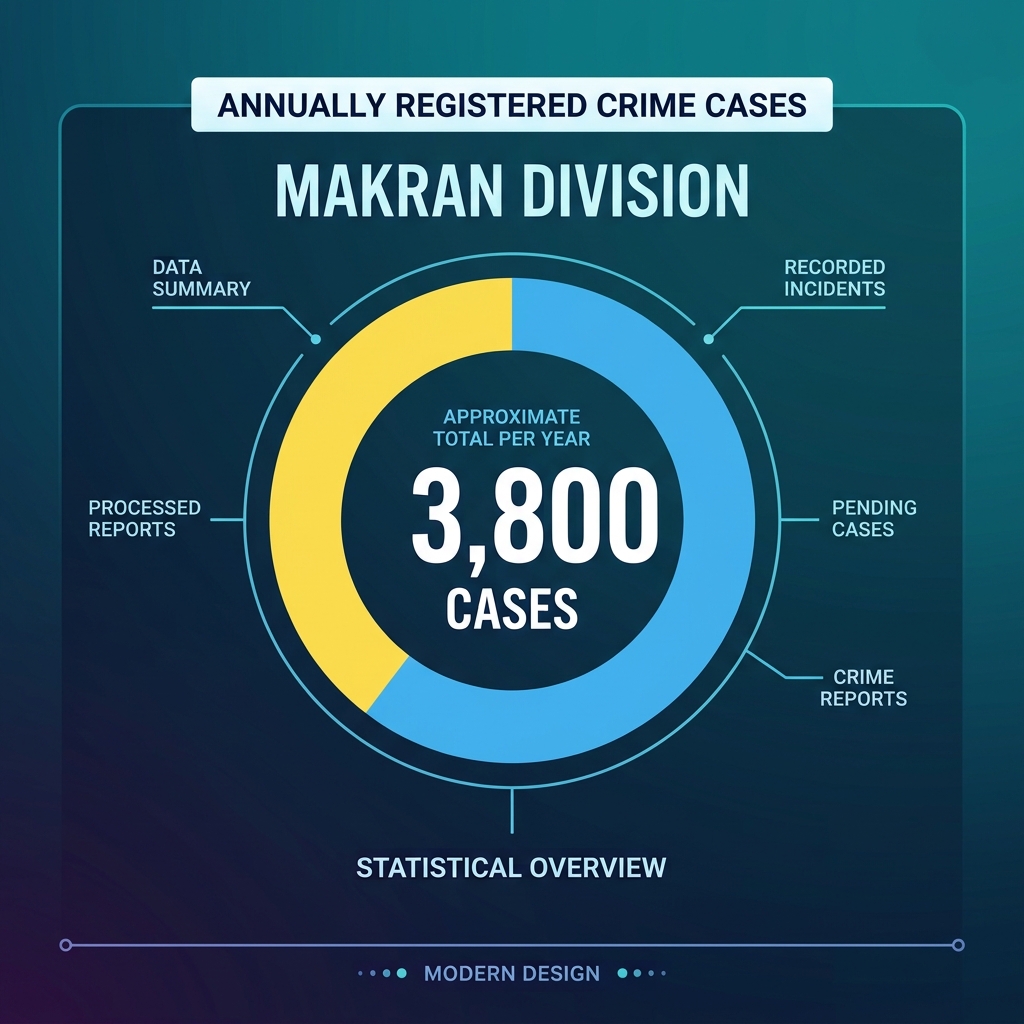
On average, approximately 3,500 crime cases are registered annually in the Makran Division across police and law enforcement jurisdictions.