Time for Provincial Status

Makran Division, with a population of 1.88 million and an expansive land area of 52,067 km², is larger than 58 countries in population and 72 in land area. Despite its immense geopolitical importance anchored by the deep-sea Gwadar Port and CPEC, it faces severe underdevelopment, infrastructure deficits, and chronic administrative isolation from Quetta. Around 48% of its population lives in poverty, over 38% of children are out of school, and basic amenities like clean drinking water and secondary healthcare remain inaccessible to over 60% of its rural communities. Experts argue that granting Makran provincial status or establishing administrative autonomy could be a major turning point, ensuring direct resource allocation, localized governance, and the transformation of its coastal potential into regional prosperity.
Key Socio-Economic Indicators
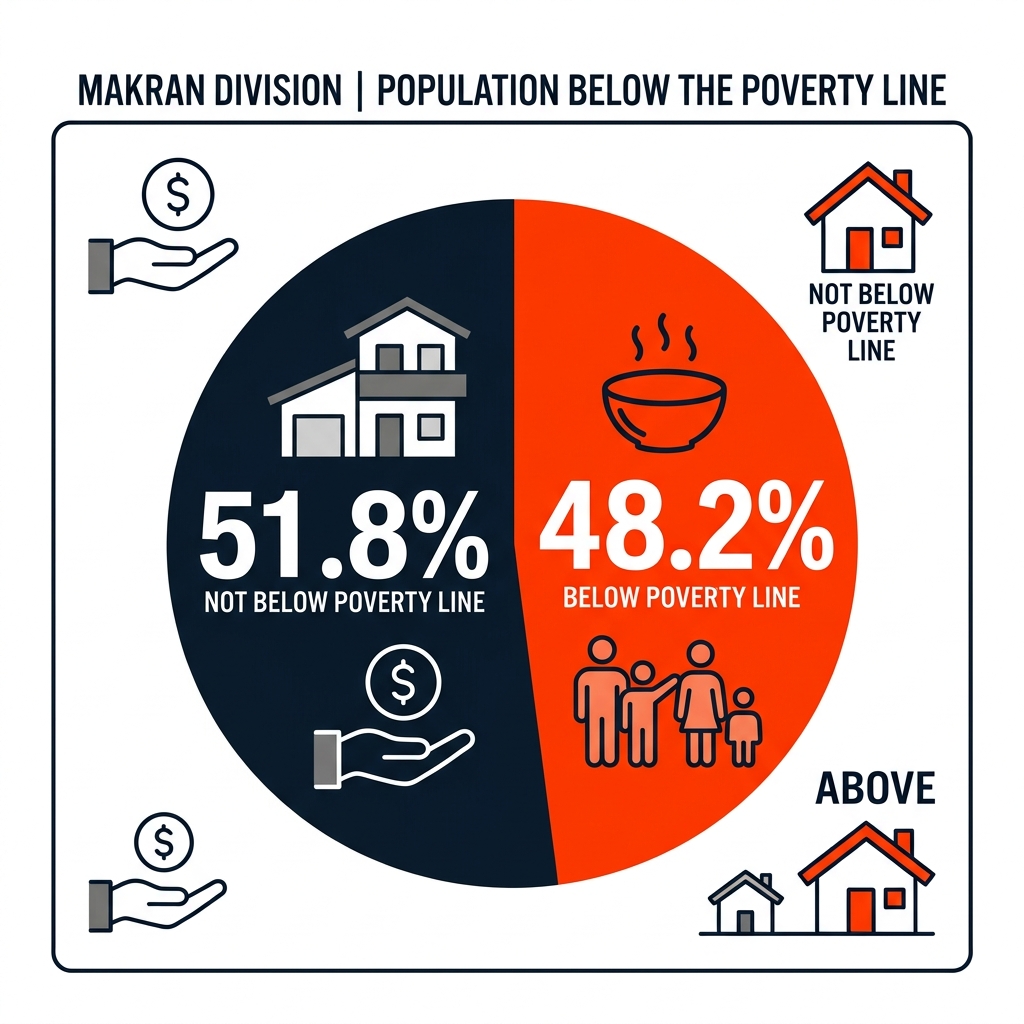
Population below the Poverty Line 48.2%
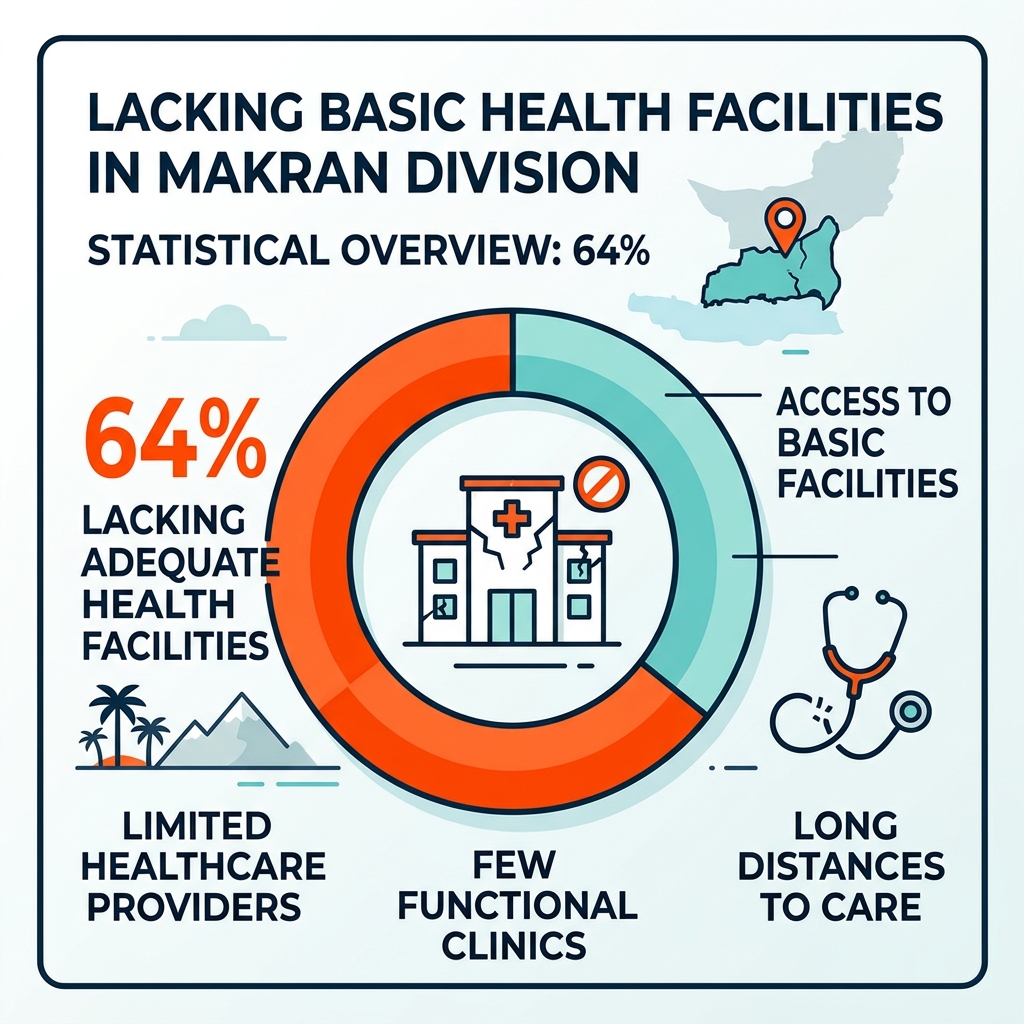
Lacking Basic Health Facilities 64%
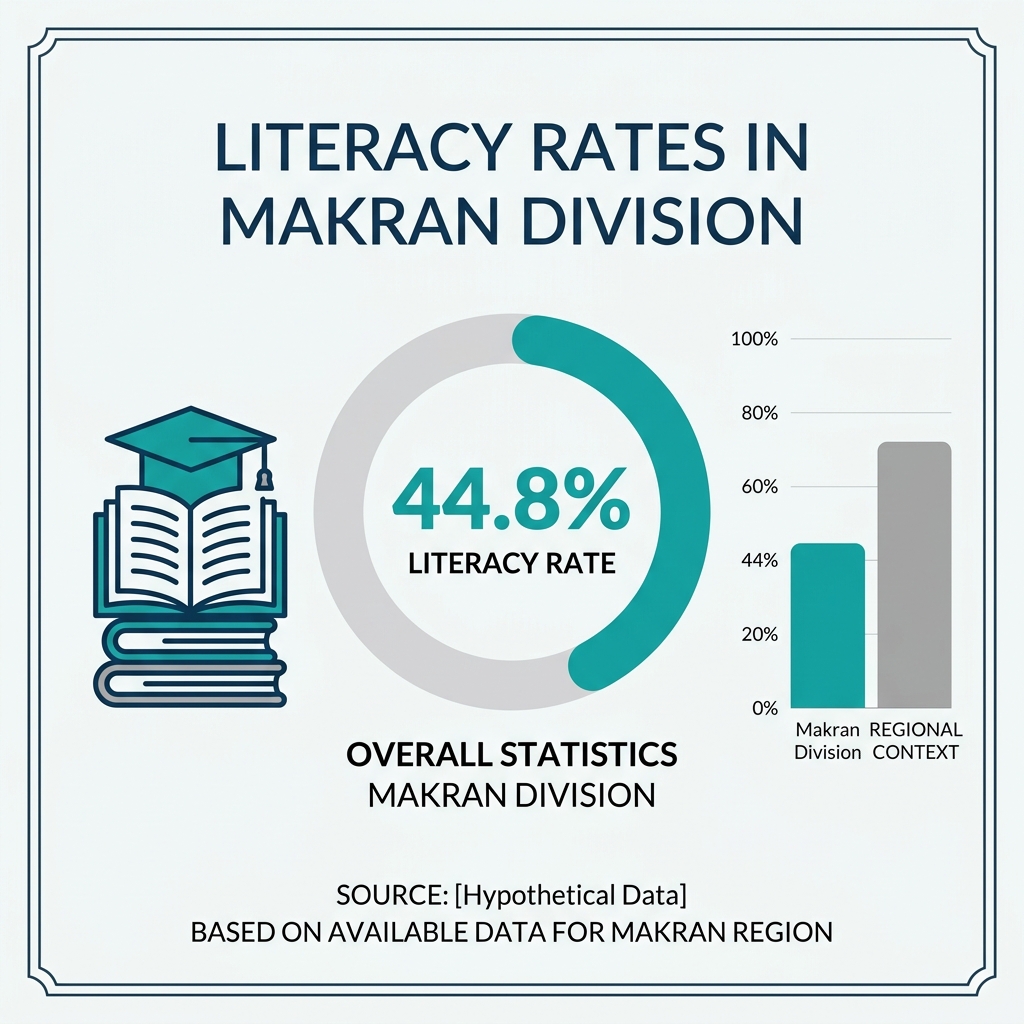
Literacy Rate 44.8%
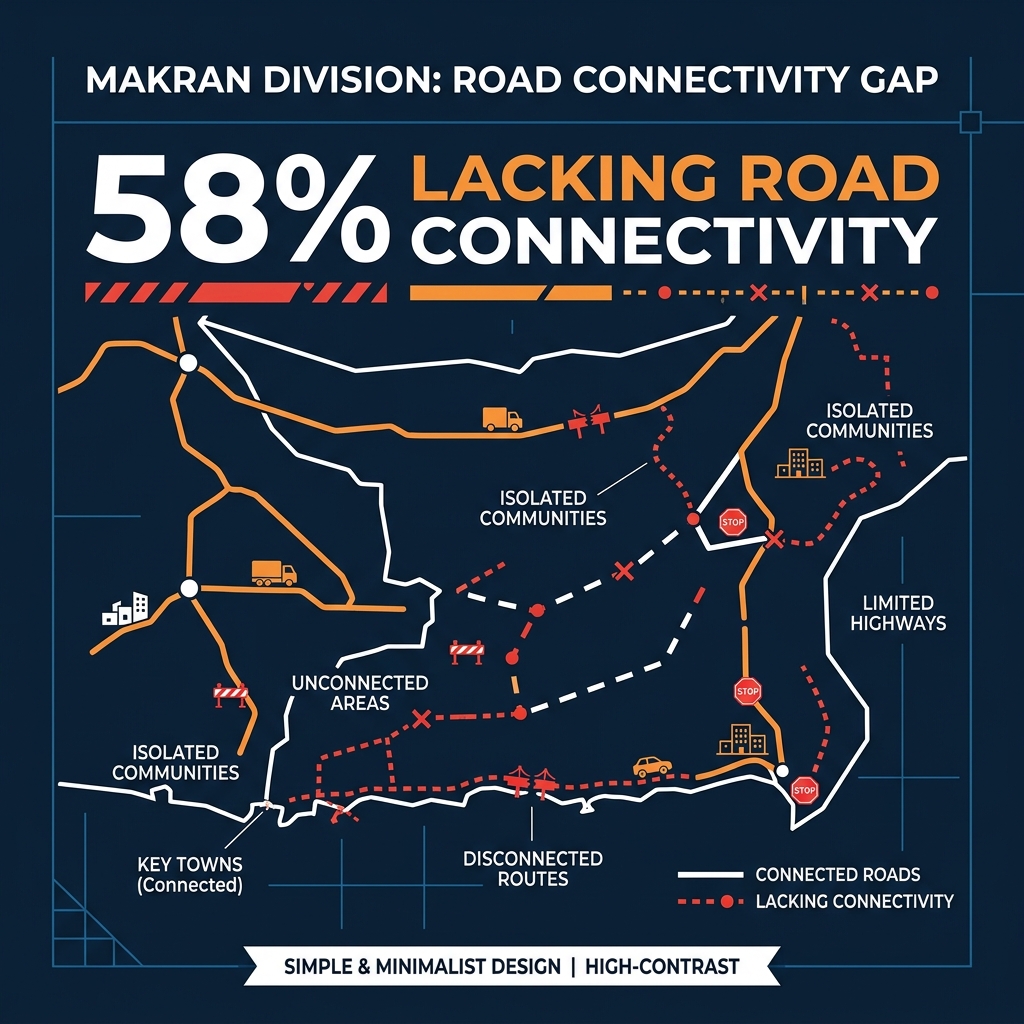
Lacking Road Connectivity 58%
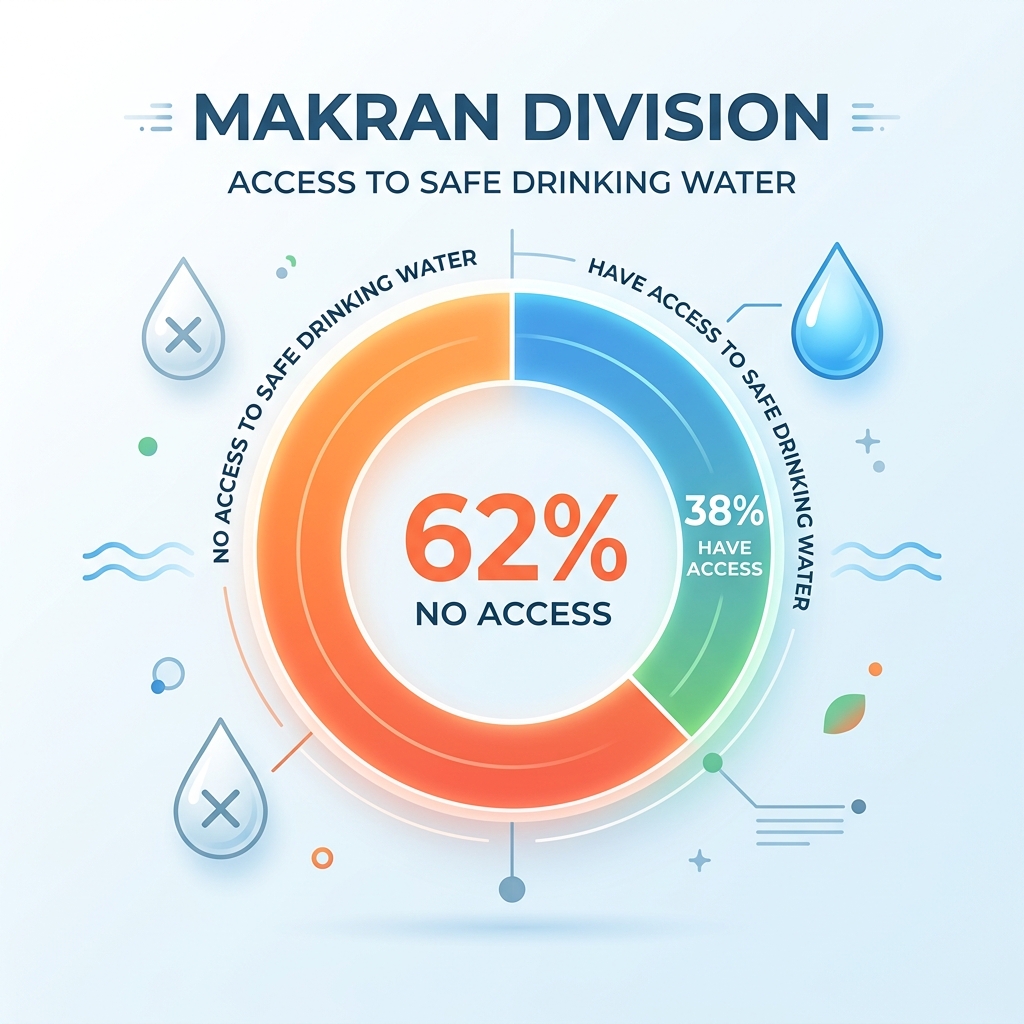
No Access to Safe Drinking Water 62%
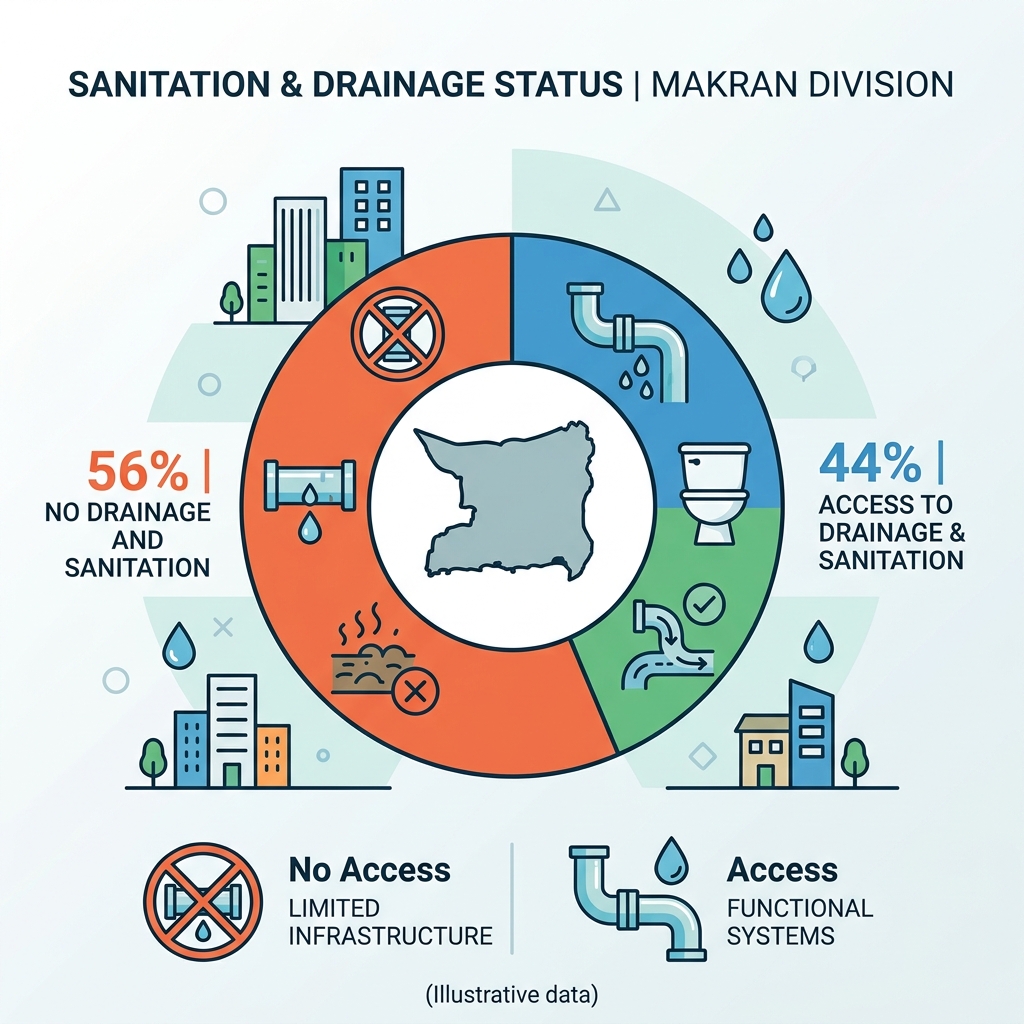
No Drainage and Sanitation 56%
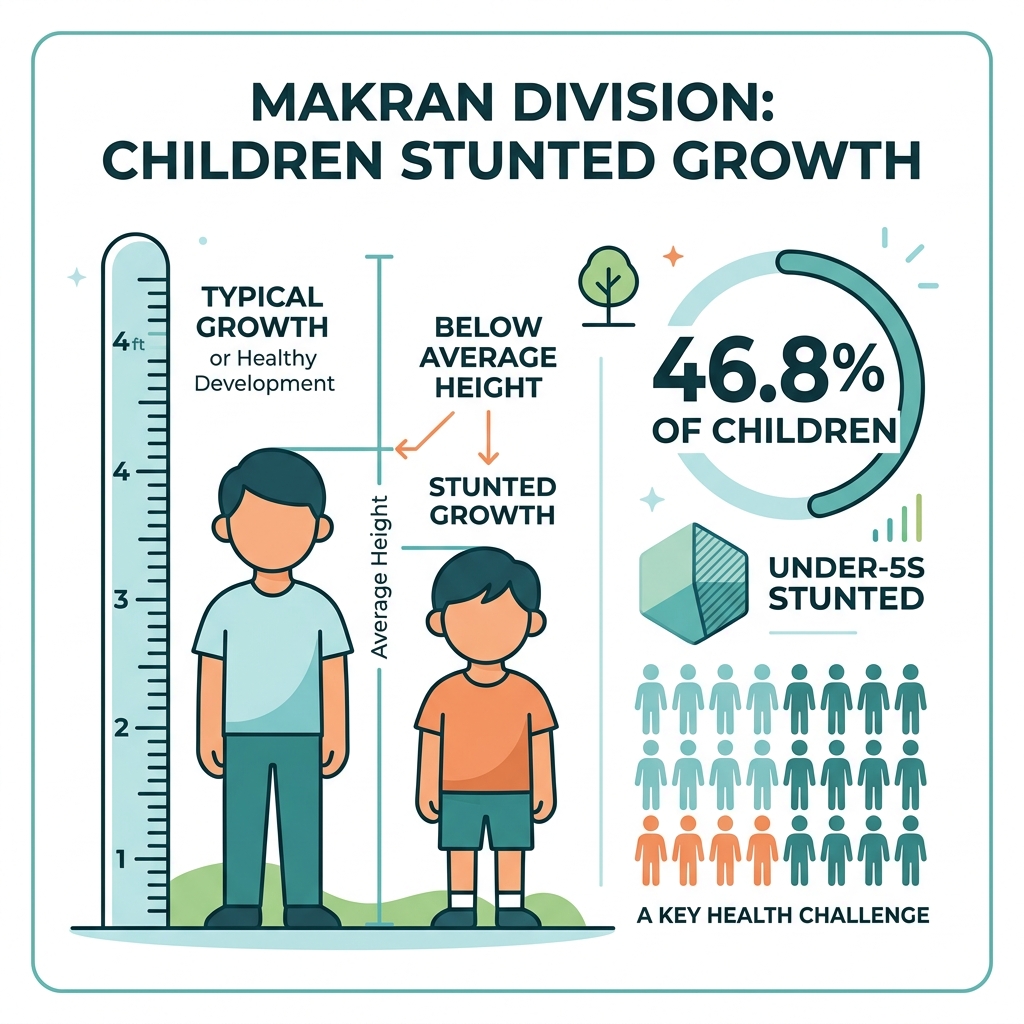
Children Stunted Growth 46.8%
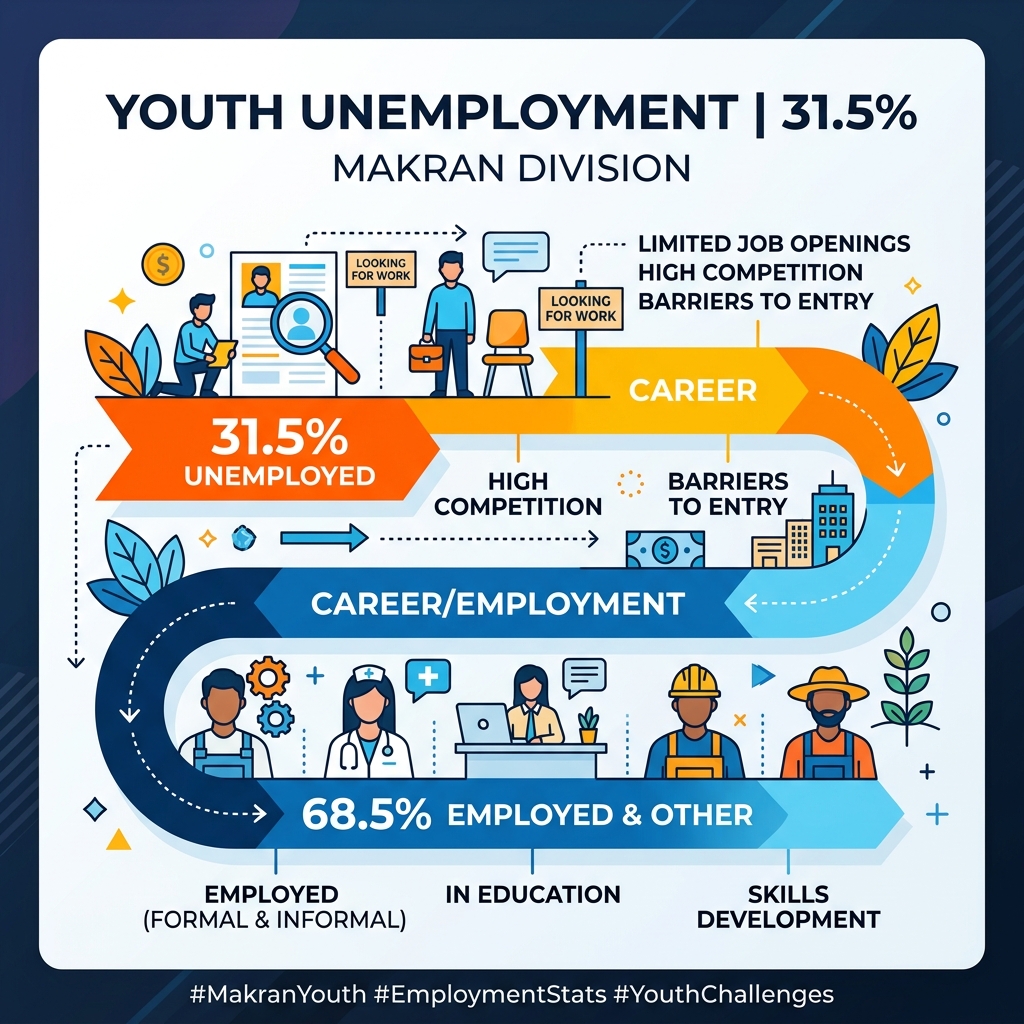
Youth Unemployment 31.5%
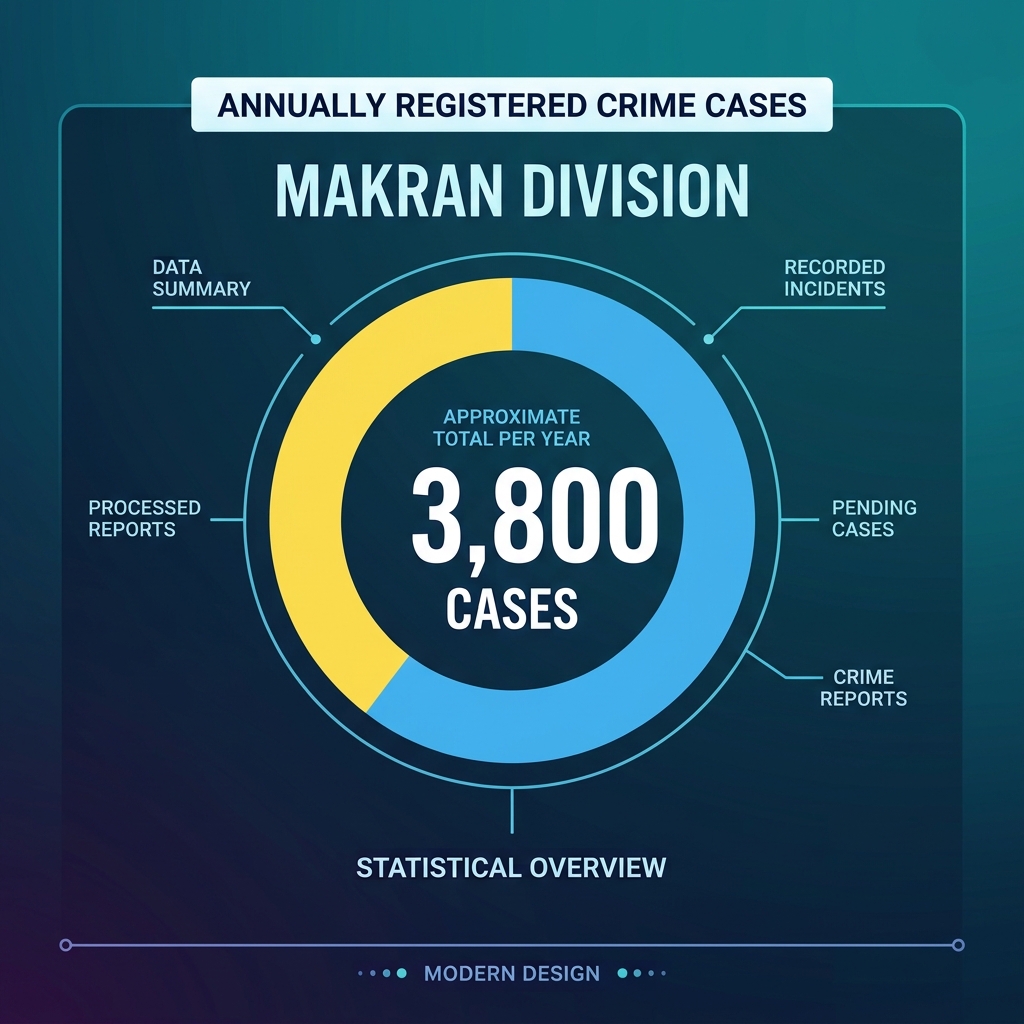
Annually Registered Crime Cases ~3,800
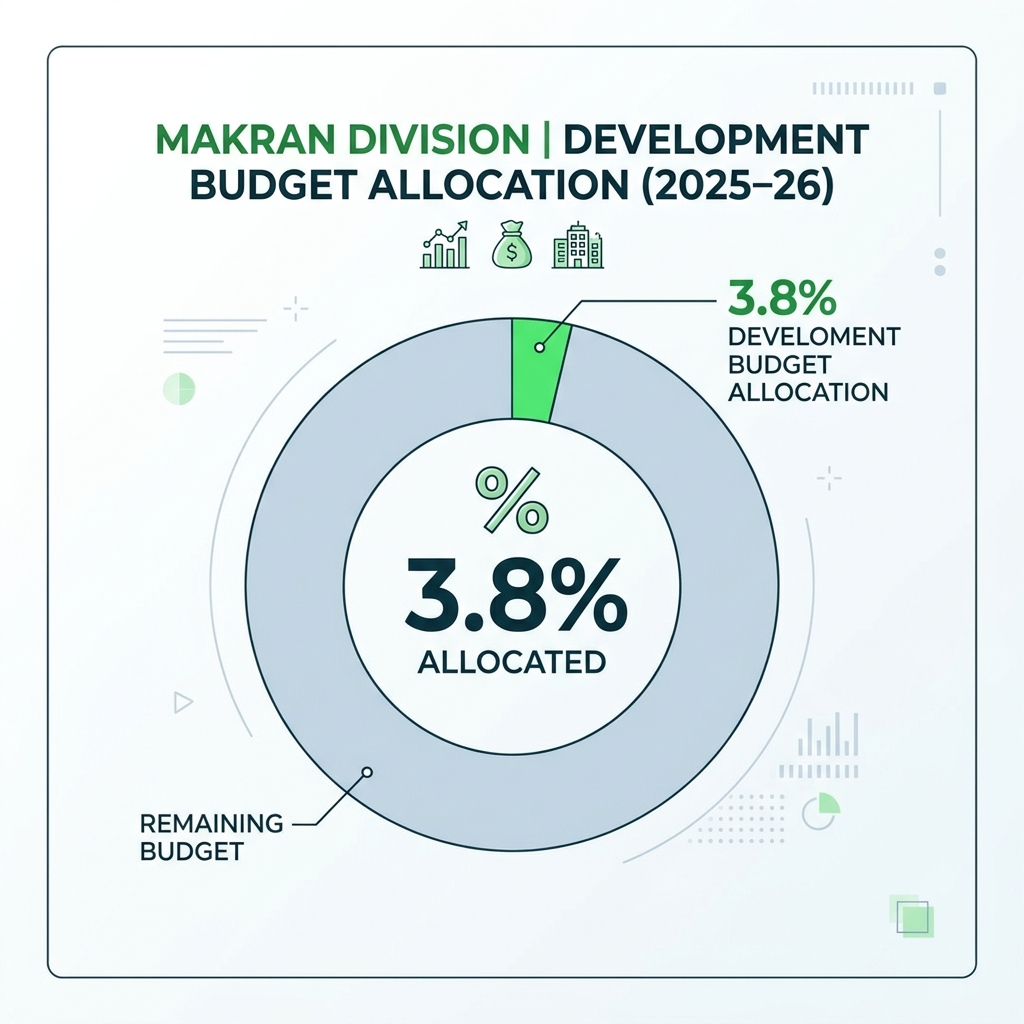
Development Budget Allocation 3.8%
Population below the poverty line — 48.2%
Lacking basic health facilities — 64%
Literacy rate — 44.8%
Lacking road connectivity — 58%
No access to safe drinking water — 62%
No drainage and sanitation — 56%
Children stunted growth — 46.8%
Youth unemployment — 31.5%
Annually registered crime cases — ~3,800
Development budget allocation — 3.8%
03
Districts
13
Tehsils
0
Population (2023 Census)
0
Area (km2)

Key Challenges

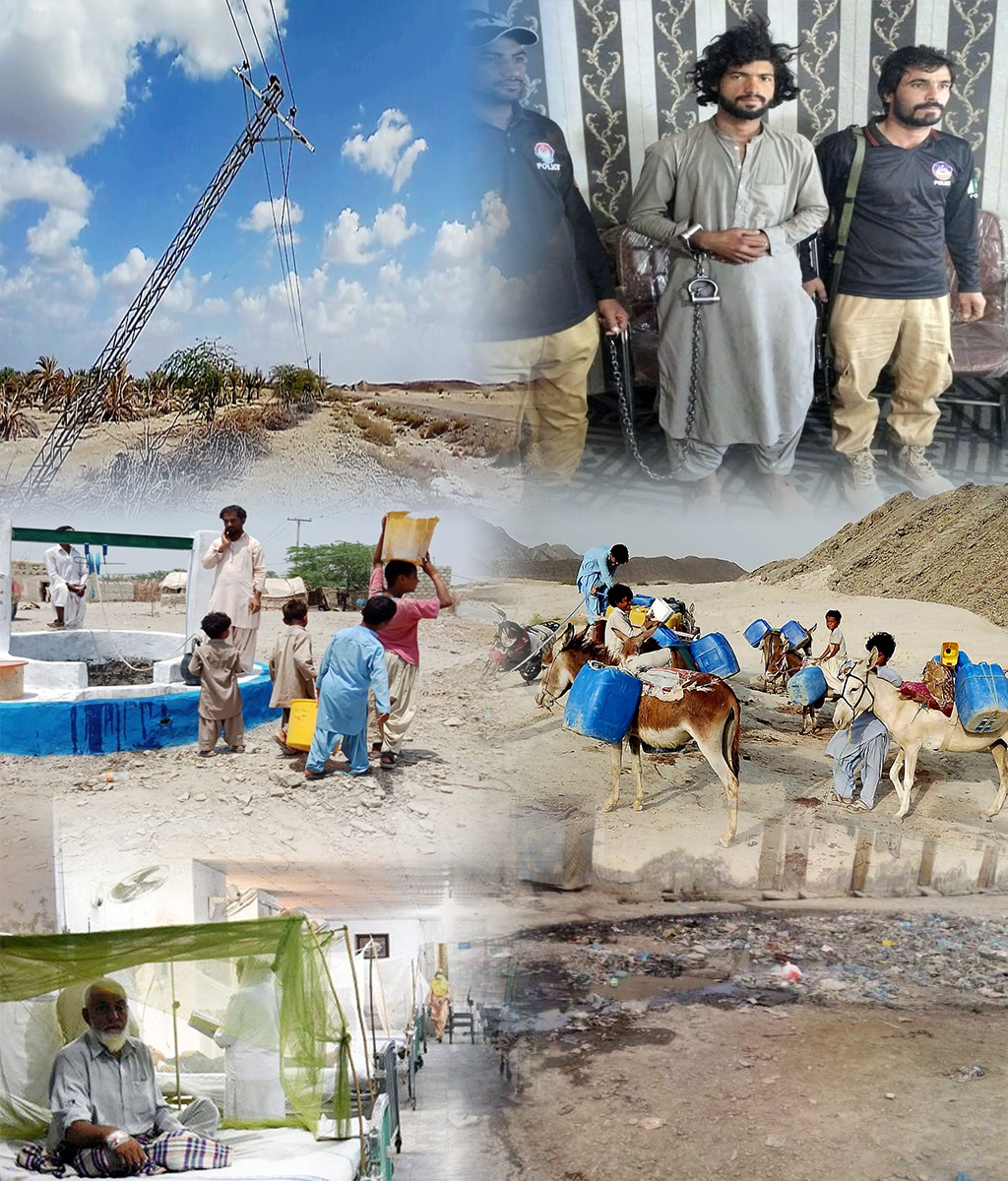
Makran Division is grappling with a web of deep-rooted challenges from fragile healthcare and critical staff shortages to poor sanitation, unsafe drinking water, and limited education and job opportunities, collectively eroding public health and quality of life.
  • Health Overload:
    Healthcare facilities in the region, including Turbat’s Civil/Baloch hospitals, Gwadar’s Pak-China Friendship Hospital, and Panjgur DHQ, remain short of specialists, diagnostic imaging, and ICU capacity for a rural, coastal population spread across 52,067 km².
  • Education Shortfalls:
    The division faces a lack of quality educational institutions, insufficient teaching staff, and limited access to higher education opportunities, with division literacy trailing the national rate by well over 10 points at 47.69%.
  • Sewerage Pollution:
    Poor sewerage systems and ineffective waste management across arid and coastal terrain have led to environmental pollution, posing serious health risks to residents.
  • Drinking Water:
    Access to clean and safe drinking water remains a major concern, with arid terrain, Iran-border proximity, and dependence on karez or tube-well supplies leaving even Gwadar city without reliable piped drinking water.
  • Employment Challenges:
    Limited direct employment from major corridor projects like Gwadar Port and reliance on the traditional fishing economy have contributed to rising unemployment and economic instability in the region.
  • Budget Allocation:
    In a striking disparity, Makran Division faces constrained and unevenly distributed development spending within Balochistan’s provincial framework, leaving numerous regional infrastructure demands unmet.
Key challenges in Makran Division

Governance Deficits

Sewerage Overload

Makran Division shows weak municipal infrastructure compared to Quetta.

Sewerage Disposal Plants:

Makran
0% Operational
Quetta
1

Poor Road Infrastructure

While major CPEC arteries connect main urban centers, Makran’s internal, rural, and farm-to-market road infrastructure remains severely rundown, with links like the Turbat–Bulaida road and incomplete central stretches of the M-8 Motorway.

Drinking Water

Makran Division faces a far more severe, chronic drinking water crisis than Quetta Division.

Non-Functional Filtration Plants:

Makran
68%
Quetta
27.37%

Poverty Rate

Compared to Quetta Division, Makran Division faces a significantly deeper poverty challenge.

Makran
48.2%
Quetta
28.5%

Health Indicators

Stunted Growth & Wasting

Child malnutrition remains critically high in Makran Division than Quetta.

Stunting

Makran
70%
Quetta
51.0%

Wasting

Makran
68.2%
Quetta
52.5%

Beds per 1,000 People

The availability of hospital beds is considerably lower in Makran than in provincial urban centers.

Makran
0.34
Quetta
0.72

Teaching & Specialized Hospitals

Quetta serves as a central hub with more specialized facilities, whereas Makran relies on limited resources.

Makran
1
Quetta
4

Child Health Crisis

The child health situation in Makran is far more alarming than in provincial hubs.

Infant Mortality (per 1,000 live births)

Makran
78
Quetta
58.4

Child Mortality (per 1,000 live births)

Makran
95
Quetta
74.5

Health Professionals per 1,000

The health workforce is much weaker in Makran than in Quetta.

Makran
0.28
Quetta
0.48

Education Shortfalls

Out of School Children

Makran faces a far greater challenge of out-of-school children than major urban divisions.

Makran
43%
Quetta
45.7%

Net Enrolment Rate

Makran faces a much deeper education gap in net enrolment than provincial urban averages.

Makran
52%
Quetta
44.2%

Access to Schools

Limited school access remains a serious concern across Makran’s rural and coastal belt.

Makran
61%
Quetta
46.0%

Judicial Stats

High Court

At the High Court of Balochistan, approximately 465 cases pertaining to the Makran Division are pending, constituting 7.28% of the total pendency across the High Court seats and benches.

Lower Courts (Makran Division)

In the lower courts of the Makran Division, 1,020 criminal cases and 610 civil cases are currently pending.

Consequently, the total number of pending cases in the lower courts of the Makran Division amounts to 1,630.

Annually Registered Crime Cases

On average, approximately 3,500 crime cases are registered annually in the Makran Division across police and law enforcement jurisdictions.

Global Comparison:

  • Pakistan: 241.5 million people with 04 provinces
  • India: Had 9 states at independence; now has 37. New states are created every five years, doubling the pace of development.
  • China: 1.4 billion people with 31 provinces.
  • USA: 320 million people with 50 states.
  • Indonesia: 275 million people with 34 provinces.
  • Russia: 142 million people with 70 to 75 provinces.

More Videos

Chat with Us